You Are Now Leaving the Understanding GSDIa Website
Links to other websites are provided as a convenience to the viewer. Ultragenyx accepts no responsibility for the content of the linked websites.


Managing glycogenGlycogen is a form of glucose that is stored in the body and broken down to be used for energy when it’s needed. storage disease type Ia (GSDIa) requires close attention, with strict around-the-clock nutritional regimens and regular blood glucoseGlucose is the sugar that the body uses for energy. monitoring. Beyond the physical risks from symptoms such as hypoglycemiaHypoglycemia is a condition that occurs when there is too little glucose in the bloodstream., individuals with GSDIa and their caregivers can face social and emotional challenges due to the difficulty of maintaining their routines. But working with a care team and following an individualized management plan can help provide the body with the tools to achieve glycemicGlycemic refers to the level of glucose (or sugar) in one’s blood. and metabolicMetabolic refers to anything related to the chemical changes that take place inside of cells when the body creates energy or other building blocks of life. control and potentially limit the severity of long-term complications.
Controlling glucose can be a full-time activity when managing GSDIa, but because GSDIa affects many systems in the body, it’s important for individuals to look beyond blood glucose levels and take a holistic approach to their health.

Support glycemic and metabolic control (stabilize blood glucose levels)

Lessen the impact of long-term complications

Limit disease signs and symptoms

Improve quality of life


Individuals with GSDIa must follow a strict medically prescribed nutritional plan as part of
their overall management approach. Each individual with GSDIa has different
nutritional needs based on their disease challenges and lifestyle. It is important
for individuals to work with a dietitian who specializes in managing diseases such
as GSDIa to help find a nutritional plan that works for their unique health goals.
Nutritional plans that are appropriate for GSDIa include a high level of complex carbohydrates
and limited amounts of simple sugars, such as fructose, sucrose, and galactose, and
sugar alcohols, such as sorbitolSorbitol is a type of sugar alcohol that can
be found in some types of fruit. It can also be manufactured from corn
syrup., should be avoided.
Standard nutritional plans that don’t restrict simple sugars can overload the liver with
glucose, which could worsen glycogen and fat buildup. Over time, eating certain foods
can contribute to worsening signs and symptoms and increase the risk for
complications, even if individuals are also ingesting uncooked cornstarch.
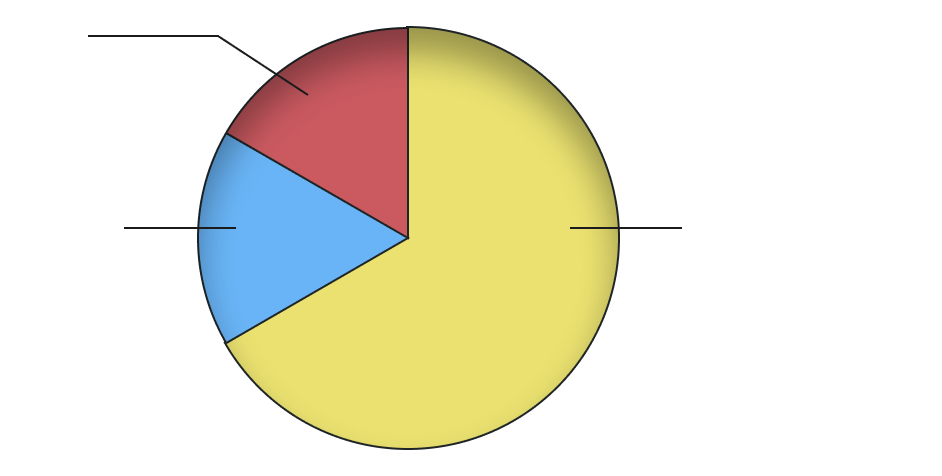 FatsFats: Generally avoid trans-fatty acids and
saturated fats.
ProteinProtein: Most lean meat, poultry, and
fish are allowed; generally avoid fatty and processed
meats.
CarbohydratesCarbohydrates: Most fruits and
starchy vegetables are generally avoided, as well as any grains,
cereals, or breads sweetened with sugar, fructose, or sorbitol.
Dairy is also limited or generally avoided.
FatsFats: Generally avoid trans-fatty acids and
saturated fats.
ProteinProtein: Most lean meat, poultry, and
fish are allowed; generally avoid fatty and processed
meats.
CarbohydratesCarbohydrates: Most fruits and
starchy vegetables are generally avoided, as well as any grains,
cereals, or breads sweetened with sugar, fructose, or sorbitol.
Dairy is also limited or generally avoided.
Cornstarch is typically a sizable portion of total daily carbohydrate intake.
*
The above chart is for illustrative purposes only. A nutritional plan is part of a comprehensive approach to long-term management. Individuals should always talk with a doctor or dietitian about a nutritional plan that helps with their specific needs.

Uncooked cornstarch is a slow-release carbohydrate that helps to keep blood glucose
levels stable overnight and between meals.
Certain other forms of food starch, such as Glycosade® (heat-modified waxy maize
cornstarch) and sweet manioc starch, may also be able to help manage blood glucose;
however, an option like Glycosade® may not be available or right for all individuals.
To help maintain their blood glucose levels, individuals who manage GSDIa with
uncooked cornstarch must consume their doses according to the plan recommended
by their care team. This often means consuming uncooked cornstarch every few hours,
including throughout the night. Infants and young individuals may use a gastric feeding tubeA gastric feeding tube is a tube that can be
inserted through the nostril and then down the esophagus to the
stomach or can be inserted through the abdominal wall into the
stomach to deliver nutrition to the body.
overnight to help maintain stable glucose levels.
Since blood glucose levels can drop quickly, a single missed dose of uncooked
cornstarch can lead to serious complications, including severe hypoglycemia,
seizures, or death.
Because the GSDIa nutritional plan is restrictive, certain deficiencies are common. Individuals
may require supplements to lessen the impact of complications associated with
insufficient amounts of nutrients in their body.
Some common vitamins and supplements recommended to help manage complications caused
by GSDIa may include:
Multivitamins contain a wide range of different nutrients to support overall health. Individuals with GSDIa may look for sugar-free varieties to help maintain control over blood glucose.

These nutrients can help address bone diseases such as osteoporosisOsteoporosis is a disease that develops when bones lose density and become weak., which is a common complication due to limited amounts of milk and other dairy in a GSDIa diet.
Vitamins and supplements are an important part of a comprehensive approach to long-term management of GSDIa. Individuals should always talk with their care team first about which vitamins and supplements to take to help with their specific needs.
Lifelong monitoring is needed to make sure that a GSDIa nutritional plan is working to control levels of
blood glucose and other metabolic markers and to check for signs of long-term complications,
such as organ damage.
Blood glucose monitoring occurs on a daily basis, often multiple times a day, to ensure appropriate levels. The level is typically checked by using one of these methods:

Finger-prick testing requires that blood be drawn from the fingertip and checked
with a device called a glucometer.
Finger-prick tests may need to be performed several times a day, including first
thing in the morning, before meals or cornstarch intake, before and after exercise,
during times of stress or illness, and any time low blood glucose is suspected.

A continuous glucose monitor (CGM) is a wearable device that can be scanned to
reveal blood glucose levels.
A CGM can record trends over time but may have difficulty accurately recording acute
drops in blood glucose levels. Certain other factors, such as the age of the device
or the amount of fat beneath the skin of the person being monitored, may also affect
the accuracy of the readings.
There are many other tests and ongoing monitoring that are recommended for individuals with GSDIa, including:
Individuals with GSDIa and their caregivers should work closely with their care team to create a customized care and monitoring plan that best suits their unique needs.

GSDIa affects many parts of the body. Building a multidisciplinary care team can help
support each need that may arise throughout an individual’s journey.
For example, in addition to seeing a doctor who can order and analyze tests to monitor metabolic
markers, such as blood glucose and triglycerides, individuals with GSDIa should work with a
dietitian who has specialized training in glycogen storage diseases. The dietitian can help
develop customized meal plans and cornstarch regimens to help keep the body’s metabolism stable.
Other types of doctors may be added to an individual’s care team depending on their specific
needs and circumstances.
Developing and maintaining an individualized GSDIa management regimen can help maintain blood
glucose and nutrient levels and lower the risk for both short- and long-term complications.
Having a customized care plan can empower individuals with GSDIa to take control of their disease and create the opportunity to be their healthiest self.
Links to other websites are provided as a convenience to the viewer. Ultragenyx accepts no responsibility for the content of the linked websites.