You Are Now Leaving the Understanding GSDIa Website
Links to other websites are provided as a convenience to the viewer. Ultragenyx accepts no responsibility for the content of the linked websites.


GlycogenGlycogen is a form of glucose that is stored in the body and broken down to be used for energy when it’s needed. storage disease type Ia (GSDIa) is a genetic metabolicMetabolic refers to anything related to the chemical changes that take place inside of cells when the body creates energy or other building blocks of life. disease that a person is born with and that affects how the body stores and uses glucoseGlucose is the sugar that the body uses for energy. for energy. Because current approaches to management do not address the root cause of GSDIa, the body is still unable to release glucose, which can trigger hypoglycemiaHypoglycemia is a condition that occurs when there is too little glucose in the bloodstream. and cause damage over time.
GSDIa is a rare genetic metabolic disease that can cause complications throughout the body and lead to significant damage over time. When thinking about complications related to GSDIa, it’s helpful to break them into 2 categories: immediate and long term.


The complications of GSDIa are caused by the body’s inability to maintain stable levels of sugars, fats, and acids.

Hypoglycemia is the most immediate complication of GSDIa. In GSDIa, the missing
G6PaseG6Pase is an enzyme that is produced by the
G6PC gene. It is essential for both breaking down glycogen into
glucose and creating new glucose. In GSDIa, G6PC gene variants cause
the body to not make enough of the G6Pase enzyme. enzymeAn
enzyme is a protein in your body that helps to speed up chemical
reactions and is essential to keep them working properly.
stops the body from being able to break down glycogen into glucose and
release it into the bloodstream.
When glucose levels are low, individuals may experience:

Other serious metabolic complications resulting from the missing G6Pase enzyme include elevated levels of:
Over time, glycemicGlycemic refers to the level of glucose (or sugar) in one’s blood. and metabolic instability can contribute to long-term complications in many parts of the body.
Long-term complications typically include slower growth and development, poor bone health, nutritional deficiencies, and damage to the liver and kidneys.
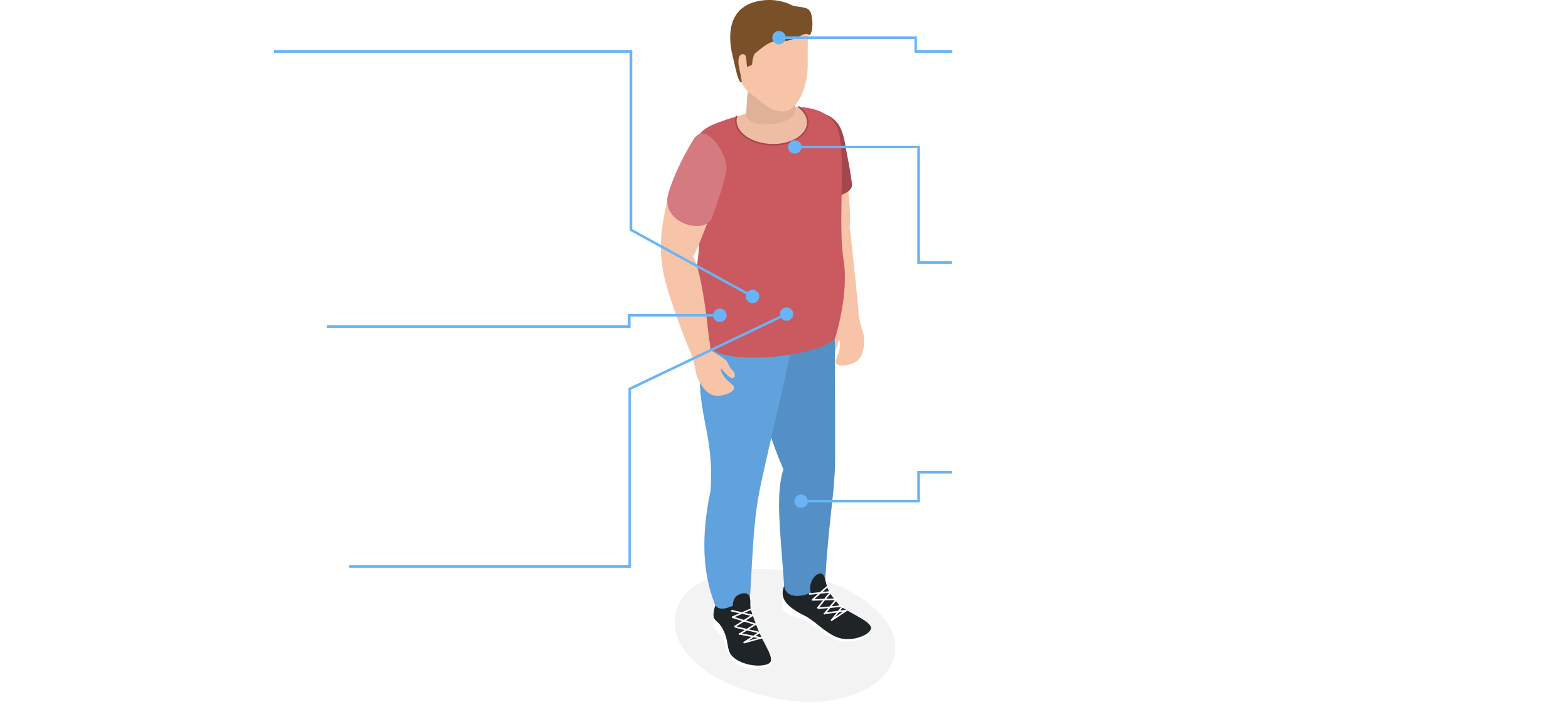





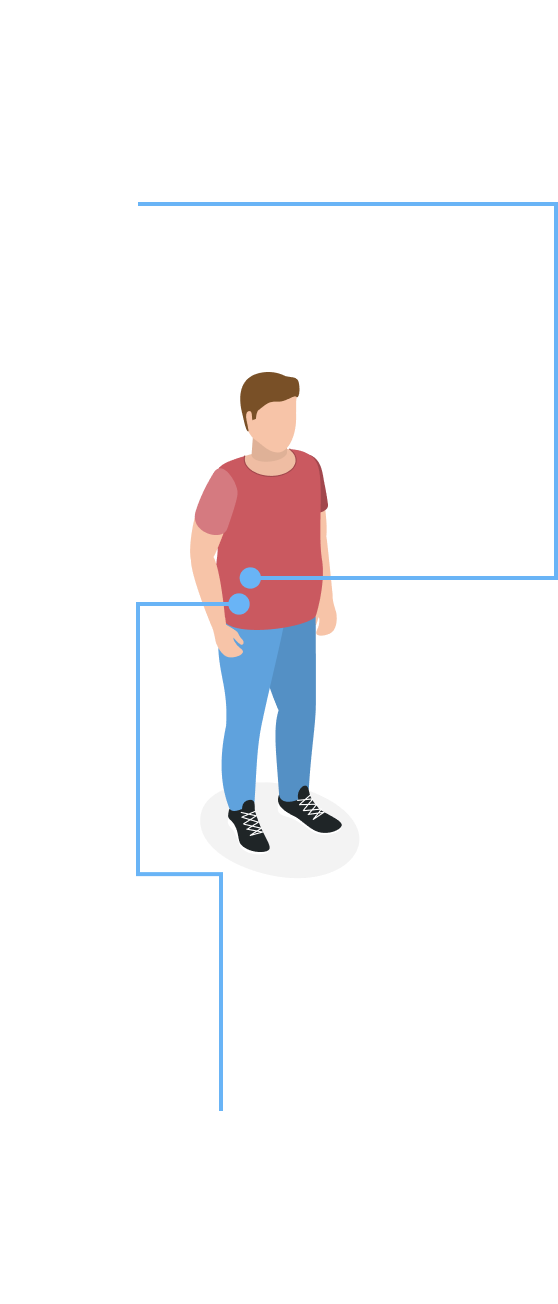
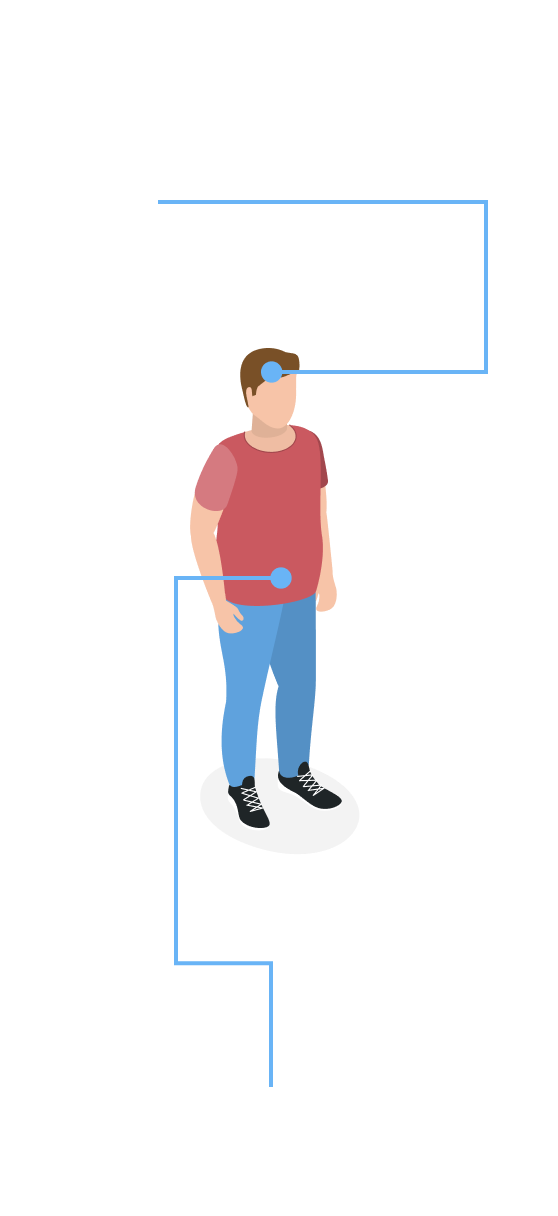
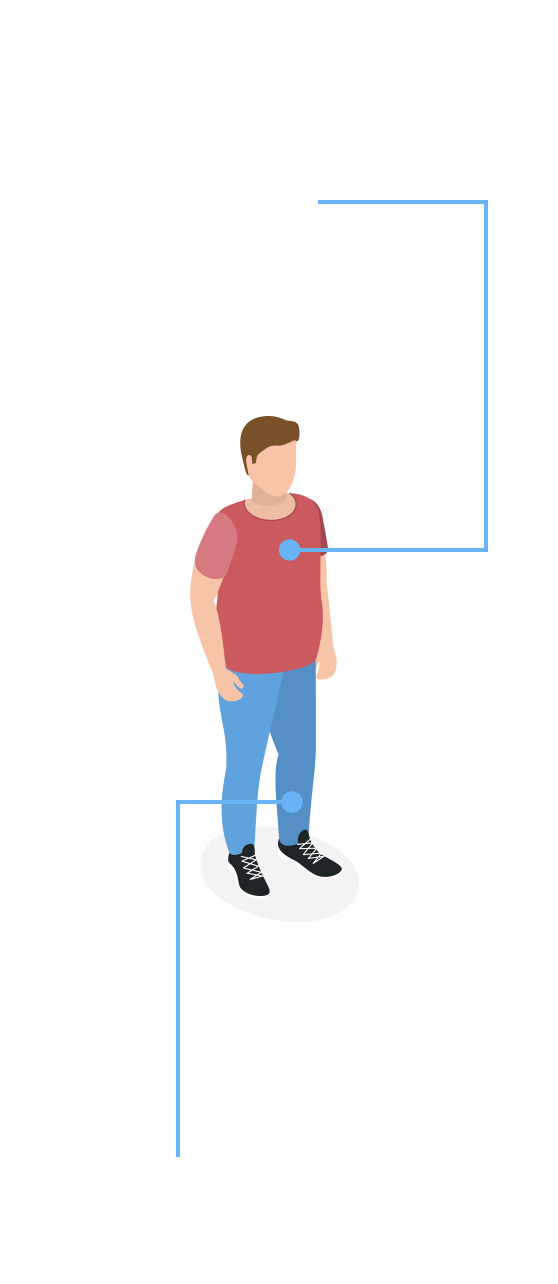
Malnutrition is common due to the restrictive nature of typical GSDIa nutritional plans, potentially affecting growth and development.
Strict nutritional management can be difficult to follow, often causing sleep deprivation and anxiety.
HyperglycemiaHyperglycemia is a condition that occurs when there is too much glucose in the bloodstream. can occur with overmanagement, leading to other problems such as headaches, blurred vision, or fatigue.
Beyond the physical complications, GSDIa can have significant impacts on quality of life. Stories collected from individuals with GSDIa and caregivers reveal the many different parts of their lives that have been affected by the disease.
GSDIa can evoke strong feelings of fear, anxiety, grief, and anger. Managing the disease requires constant vigilance, and the risk of hypoglycemia may create significant stress. Overall, living with and managing GSDIa can have a negative impact on a person’s mental health.
Opportunities to socialize and participate in group activities with peers, such as sleepovers or going out to eat, can be restricted for those with GSDIa due to the challenges of managing the disease.
Intense feeding schedules mean that days have to be carefully scheduled, limiting the ability to make spontaneous plans. Those who manage GSDIa with a gastric feeding tubeA gastric feeding tube is a tube that can be inserted through the nostril and then down the esophagus to the stomach or can be inserted through the abdominal wall into the stomach to deliver nutrition to the body. may face challenges with participating in activities such as swimming or other sports. Caregivers may have to cut down on work hours to help care for a child with GSDIa.


Links to other websites are provided as a convenience to the viewer. Ultragenyx accepts no responsibility for the content of the linked websites.